A networking meeting can open a door. But between your introduction, the conversations, the referrals to give and the ones to remember, you could fill three notebooks—or forget the name of the person you promised to introduce to someone.
Artificial intelligence can help you prepare for those meetings, keep useful notes and follow up more consistently. It cannot build trust for you. In networking, relationships remain human: AI can support memory and organization, while listening, reciprocity and thoughtful referrals give a connection meaning.
Why follow-up matters as much as the meeting
Networking is more than exchanging contact details. Professional relationships grow over time, through conversations and kept commitments. Yet after a meeting, it is easy to return to quotes, appointments and everyday tasks.
The result: a good conversation can end with “Let’s keep in touch.” A promised referral gets lost in your messages, and a contact becomes hard to find. Even the most organized entrepreneurs cannot remember every detail after a busy day. During the holidays, with unreliable Wi-Fi and a beach bag taking over the home office, memory is not always our most dependable tool.
AI can reduce that friction. It can help organize information and turn an intention into a next step. It cannot know whether someone truly needs your service or whether an introduction makes sense.
Before the meeting: clarify your intention and introduction
Arriving with a clear goal makes a conversation more useful. You do not need to memorize a speech. Prepare a few simple points: what you offer and who it is for; the problem you help solve; the kind of contact or referral that would be relevant; and an open question that helps you understand the other participants.
An AI tool can help shorten your introduction, make it clearer or prepare different ways to describe your business for different situations. Always review the result. If it does not sound like you, it will not help you start a natural conversation. The goal is not to play a part, but to find a way to participate that respects your energy.
Example — Make a referral request easier to act on
You offer communications strategy support and want to meet small-business owners preparing a launch. Before a Pionnières Café, you can make that request more specific in your introduction. AI could help you phrase it clearly: “I’d love to meet entrepreneurs preparing a new offer or business who want to clarify their message.” That is easier to remember than a general request for “new clients.”
The Pionnières Cafés are weekly online meetings where women entrepreneurs exchange ideas, share needs and make referrals. In a structured setting, a clear request gives other participants useful clues for thinking of an introduction.
During the meeting: listen first, take notes afterward
Being present matters most during a conversation. Keeping one eye on a screen to record everything can make it feel as if you are writing minutes for a committee—while the other person is telling you about her business.
Choose a light approach: jot down a few keywords after the conversation; note the need expressed, the context and the next step; distinguish what was said from what you infer; and ask for consent before recording or transcribing a conversation.
AI can then organize notes you took yourself—for example, separating topics, promised actions and questions to clarify. But a transcript is not a perfect memory. It may misrecognize a name, miss a nuance or present an assumption as a fact. Review and correct it before relying on it.
Example — Do not mistake interest for qualification
A participant mentions that she needs more visibility. That does not automatically mean she is looking for a service provider, has a defined budget or is a good fit for your offer. Note her own words and, if she wants to continue the conversation, suggest a meeting to understand her situation. AI can organize information; you still decide whether a next step is appropriate.
After the meeting: follow up thoughtfully
A useful follow-up reflects the conversation you actually had. An AI-generated draft can save time, as long as you personalize it before sending. It should not invent common ground or exaggerate how close you are.
A follow-up can mention what you discussed, keep a promise made during the conversation, suggest an easy next step that the person can accept or decline, and say thank you without turning the message into a sales pitch.
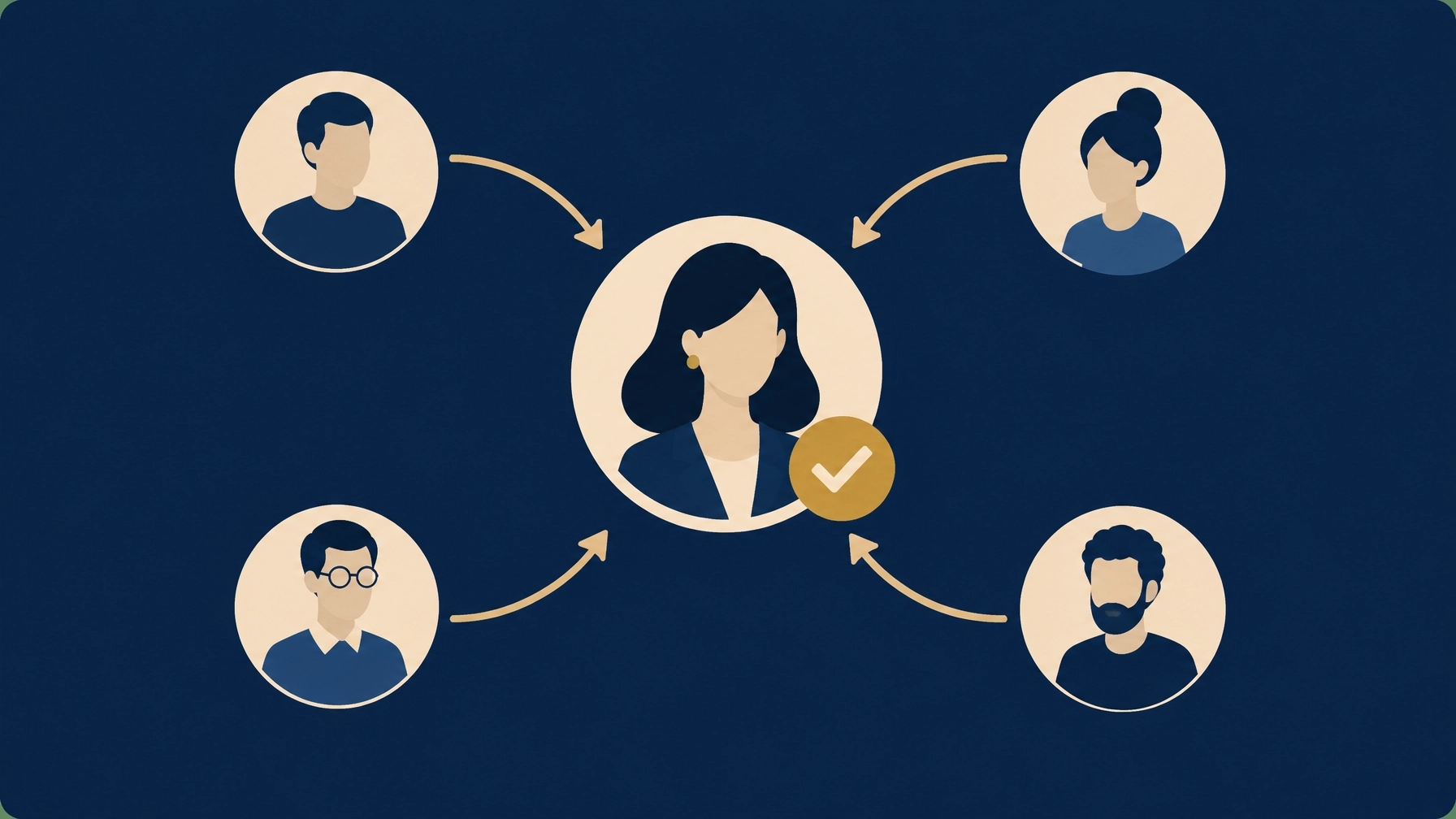
If you promised an introduction, first make sure both people agree to be connected. A good referral depends on context and consent, not on how many messages you send. Keep a simple follow-up list for each contact: the date of your last conversation, the important topic, the agreed action and a suitable time to reconnect. A reminder tells you it is time to act; it does not decide that someone should be contacted.
Qualify and track referrals you receive
Receiving a referral is an opportunity, not a guarantee of a sale. Before reaching out, check what the person making the introduction understood and what the other person expects. This prevents vague introductions and messages that begin, “I was told you might need…”
Clarify the need the person expressed, the context for the introduction, whether they agreed to be contacted, the expected next step and the outcome to track: conversation completed, opportunity in progress, client won or referral that did not proceed.
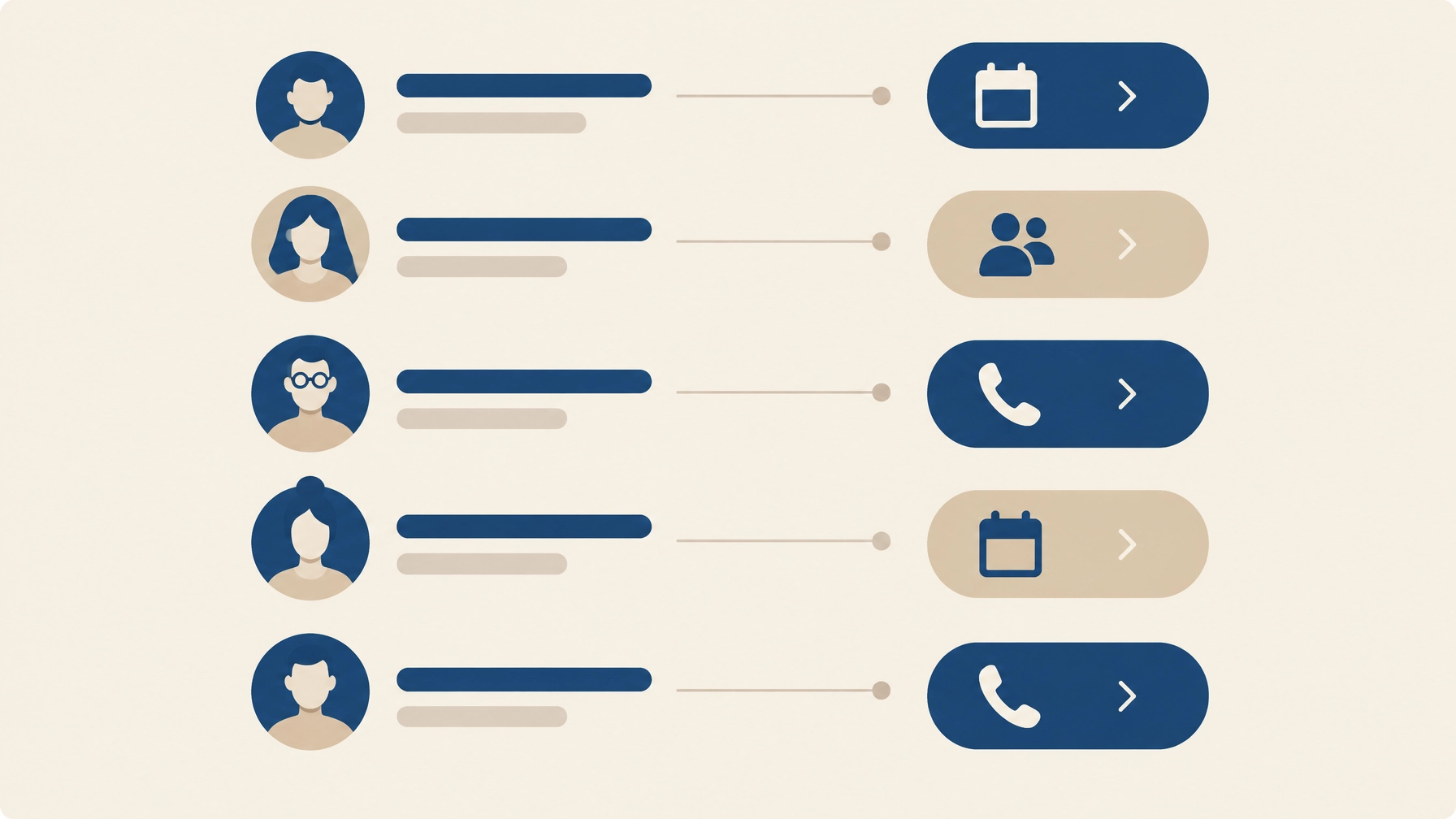
The Pionnières Network app includes a smart directory and referral tracking. It lets members record referrals given or received and follow their progress. Tracking does not replace your judgment: it helps you find information, measure outcomes and see what deserves your attention.
Measuring your network does not mean reducing relationships to revenue. It can also help you understand which conversations lead to relevant contacts, which referrals are useful and where you want to invest your time. Data can inform your choices; it cannot summarize the value of a relationship.

AI can support connection, not replace it
Trust does not happen with one click. It grows through listening, respecting another person’s pace and keeping your commitments. AI cannot sense the right moment to make an introduction or decide whether your offer is right for someone you have just met.
You can use it to prepare a clearer introduction, organize notes after a meeting, draft a follow-up for you to personalize, and track referrals and next steps.
Keep the actions that make networking valuable in your hands: listen instead of preparing your reply, ask before making an introduction, and recommend someone because you know their work—not because a tool matched two profiles.
The Ateliers de l’Audace online workshops also offer space to reflect, share questions and move forward with other women entrepreneurs. As with networking meetings, tools can support an exchange, but the conversation gives it value.
If you want to grow your network through regular meetings, tracked referrals and peer conversations, discover the Pionnières Cafés and the referral app. Use AI to keep track. The connection itself is built together.